What Effect Does Overmixing a Dough or Batter Generally Have?
If you’ve been baking, chances are you’ve seen the warning: “Don’t overmix.” It often pops up in recipes for cakes, cookies, and muffins. But what does it really mean? What effect does overmixing a dough or batter generally have? Why does it matter?
In this article, we’ll talk about the effects overmixing has, and how to get better results in the kitchen.
What Is Overmixing?
Overmixing occurs when you keep beating, stirring, or kneading a dough or batter even when everything is properly combined. The problem isn’t mixing itself, it’s doing too much of it after you’ve achieved the right texture.
You see, gluten is developed when you mix flour with any liquid. Gluten is a network of proteins that gives baked goods structure. In bread, we want that gluten because it helps the dough rise and hold its shape. In muffins or cakes? Not so much. Too much gluten there means a tougher, chewier texture instead of a light, soft bite.
So, overmixing = too much gluten. Too much gluten = texture issues. That’s the problem.
However, the effects of overmixing mainly depend on what you’re baking. Let’s look at how it affects dough and batter separately below.
What Effect Does Overmixing a Dough Have?
Let’s start with dough. Not all doughs are the same, so the impact of overmixing depends on what you’re making.
1. Bread Dough
Mixing or kneading yeasted bread helps develop gluten, which is exactly what we want. It gives the bread structure and chew. But even here, there’s a limit.
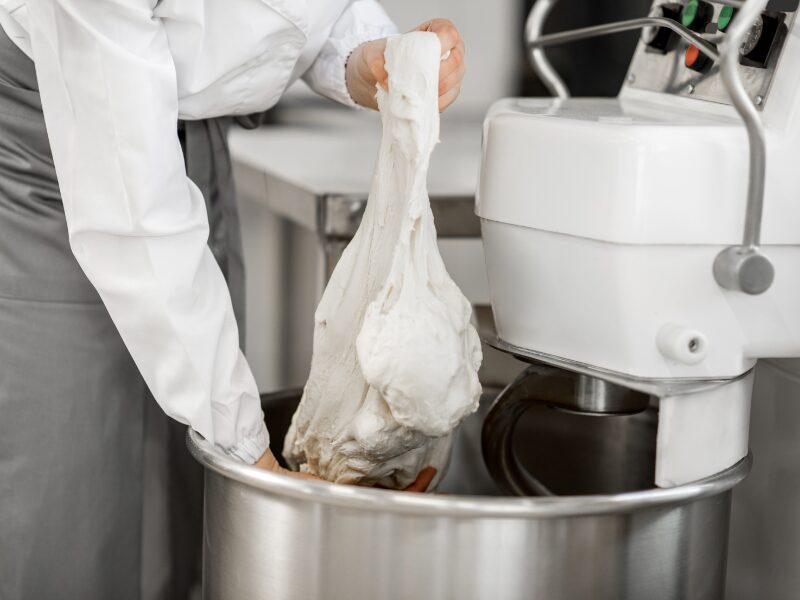
If you over-knead bread dough, especially with a stand mixer, you’ll notice it gets stiff and tears easily. It also stops being stretchy. Instead of a smooth, elastic ball, you get a tight dough that doesn’t rise well. That’s because the gluten structure becomes too tight, which makes it hard for gas bubbles to expand. The result? A dense, flat loaf.
Over-kneading happens more with machines than by hand. Your arms usually give up before the dough does.
2. Cookie Dough
Cookie dough is more delicate. Most cookie recipes call for just enough mixing to combine the ingredients. If you go too far, the dough becomes tough, and the cookies may lose their soft, chewy texture.
Overmixed cookie dough can also spread more during baking, which means thin, flat cookies instead of the perfect thick ones you were hoping for.
3. Pie or Biscuit Dough
This is where it matters a lot. For pie crusts, biscuits, and scones, you want a tender, flaky texture. That happens when the fat (e.g., butter or shortening) stays in small, solid pieces inside the dough. Those bits create steam during baking and give you those perfect layers.
Overmixing ruins that. It breaks the fat into tiny pieces and starts developing too much gluten. The result? Tough, dense dough with no flakiness. Not ideal.
What Effect Does Overmixing Batter Have?
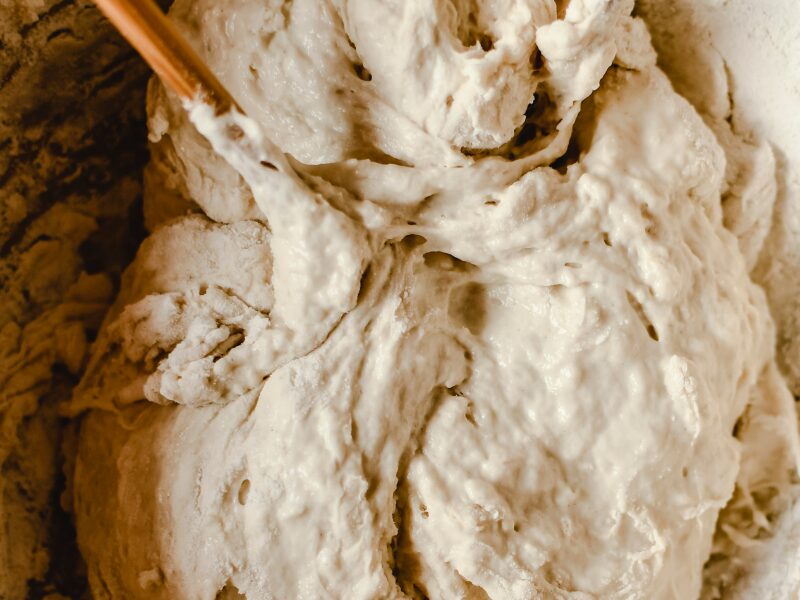
Batters are more sensitive than doughs. Cake batters, muffin batters, and pancake batters need to be handled gently. Here’s what overmixing batter usually does:
1. Tough Texture
This is the most common issue. You overmix the batter, and the gluten gets worked up. You bake the cake or muffins, and they come out dense or rubbery instead of soft and tender.
Something like banana bread can feel gummy inside, even if it’s fully baked. It’s not raw; it’s just overmixed.
2. Tunneling
Ever slice into a banana muffin or pancake and see a bunch of weird holes or tunnels inside? Those are from overmixing. All that stirring creates too much structure, so the gases from baking soda or baking powder can’t move evenly through the batter. Instead, they push through in strange paths, leaving those holes behind.
3. Flat or Sunken Centers
Overmixed batter can also trap too much air early on. That air expands in the oven, but then collapses because there’s no structure to support it. So you get a muffin or cake that rises—and then sinks in the middle.
4. Gluey Streaks
Here’s one you might not expect. Overmixing can sometimes lead to weird gluey streaks or gummy patches in the middle of a baked cake or bread. That’s often from overmixing and uneven mixing. You’ve stirred too much, but not evenly. The gluten forms in patches, and you end up with an inconsistent texture.
How to Avoid Overmixing
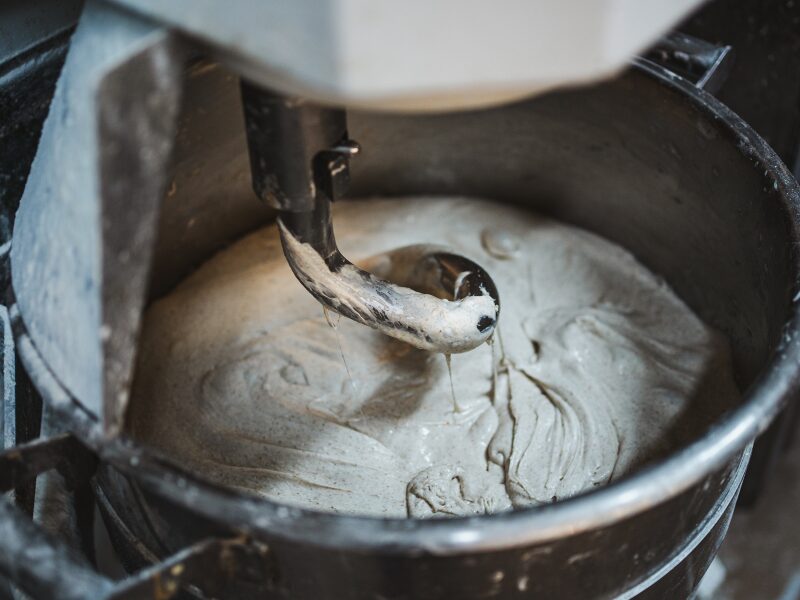
Okay, now that we know what overmixing is and why it’s a problem, how do we stop it from happening? Here are some simple, practical tips to keep in mind no matter what you’re baking.
1. Read the Recipe
This might sound obvious, but don’t skip it. Recipes usually give mixing cues for a reason. If it says “mix until just combined,” it means it. That’s your sign to stop stirring as soon as there are no dry patches left. Even a few small lumps are okay in some batters, especially pancakes and muffins.
2. Mix By Hand When You Can
Stand mixers and hand mixers are great tools, but they can also go overboard fast. If a recipe doesn’t need electric mixing, grab a whisk or spatula instead. You’ll have more control, and it’s harder to overdo it.
For muffin and quick bread batters, a few gentle turns with a wooden spoon or rubber spatula is often enough.
3. Add Dry Ingredients in Batches
Dumping all your flour in at once can make it harder to mix evenly. Try adding it in two or three batches. That way, you don’t have to stir as much to get everything combined. You can also sift your flour first, which makes it easier to mix gently and avoids clumps.
4. Use the Right Mixing Tool
A whisk is great for thin batters and aeration, but if you’re working with something thicker, a spatula or wooden spoon gives you better control. For kneading dough, your hands are often better than a machine, especially for delicate recipes like biscuit or laminated dough.
5. Watch the Texture
Visual cues help. If you’re mixing dough and it goes from shaggy to smooth and elastic, you’re probably done. If you’re mixing batter and the dry bits are gone, stop. You don’t need to keep going until it looks super uniform, especially not for things like pancakes or banana bread.
6. Chill the Dough (Sometimes)
In cookie and pie dough, chilling can help relax gluten and firm up the fat. That helps undo a bit of overmixing damage if you accidentally went too far. It’s not magic, but it helps.
7. Practice and Pay Attention
This one takes time, but it makes a huge difference. The more you bake, the more you’ll start to recognise the right texture and feel for different recipes. You’ll get better at stopping at the right time.
What If You Already Overmixed?

First, don’t panic. It happens to everyone, even pros. Here are a few things you can try if you suspect you went too far:
- Chill the dough: Refrigerating cookies or pie dough before baking helps reduce spreading and relaxes the gluten.
- Reduce baking time slightly: Overmixed batter holds less moisture. Try baking a few minutes less and keep an eye on it.
- Adjust next time: Make a note of how the texture turned out, then try mixing less next time. Most baking is trial and error.
Quick Cheat Sheet: What to Mix Gently and What to Mix Well
Here’s a quick list to help you remember what to watch out for:
Mix Gently (Just Combine)
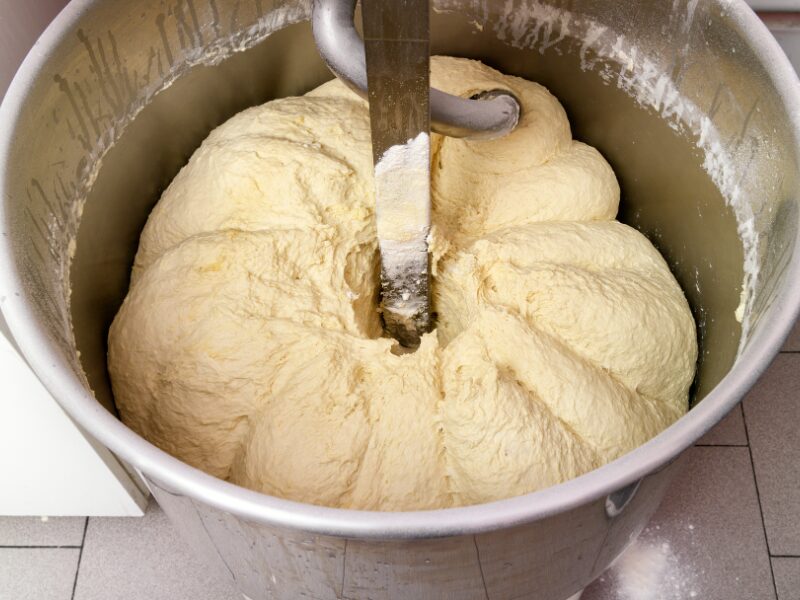
Whether it’s muffins, brownies, or biscuits, gentle mixing helps keep things light, moist, and fluffy. Here’s why each one needs a soft touch:
Muffins
Muffins need a soft, tender crumb. Overmixing creates too much gluten, which gives you a tough texture and weird tunnels inside. A few lumps in the batter are fine.
Pancakes
Same deal as muffins. Stir just until the flour disappears. If you keep going, you’ll get chewy pancakes instead of light, fluffy ones.
Quick Bread
Think banana bread or zucchini bread. These batters don’t rise from yeast. They use baking soda or powder. Overmixing leads to dense, gummy loaves. A few streaks in the batter are better than overdoing it.
Cakes
Cake batter is delicate. If you stir too long after adding flour, you get a dense cake instead of one that’s soft and airy. Combine just enough to blend everything evenly.
Brownies
Brownies need that chewy center and crackly top. Overmixing can mess with both. Stir just until things are combined, especially after adding the flour.
Pie Crusts
Flaky crust comes from keeping the butter in small chunks. If you overmix, the butter blends in too much, and the crust turns out tough. Stop as soon as the dough holds together.
Biscuits
Light, fluffy biscuits need minimal mixing. Just mix enough to combine, then pat or fold gently. Too much and the dough gets stiff, and the biscuits come out hard.
Scones
Like biscuits, scones should be tender and flaky. Overmixing makes them dry and dense. Mix just until it comes together.
Mix Well (Develop Gluten or Emulsion)
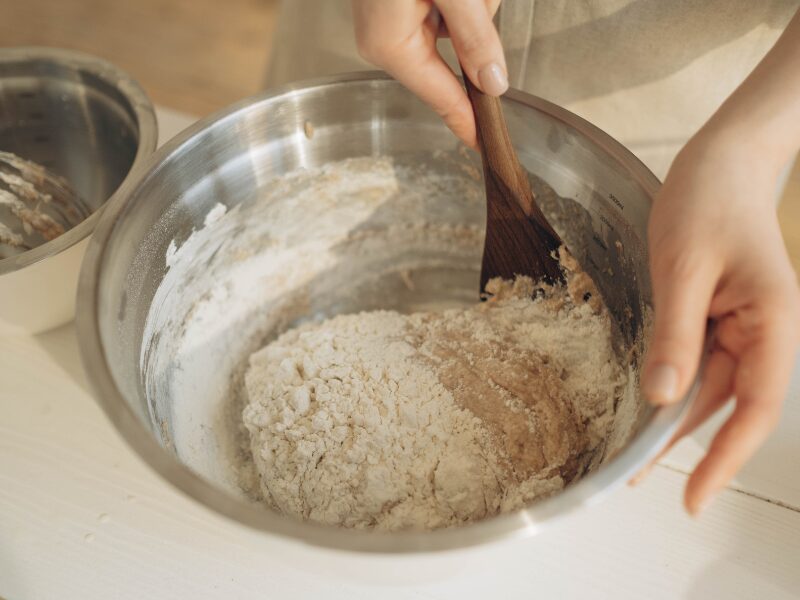
Mixing well here isn’t overdoing it. It’s the key to getting the texture just right. Let’s break down why these need more effort.
Yeast Bread
These need a strong gluten network to hold in air and give structure. Mixing or kneading helps develop that gluten. Without enough mixing, your bread won’t rise properly or hold its shape.
Pizza Dough
Pizza dough also relies on gluten for stretch and chew. You need to mix and knead it enough to build elasticity. That’s what lets you stretch it thin without tearing.
Some Enriched Doughs (Brioche, Challah)
These have added fat, like eggs and butter. You need good mixing to create an emulsion, where the fat blends smoothly with the flour and water. Without that, the dough falls apart or doesn’t rise well.
Whipped Batters (Sponge Cake)
This is less about gluten, more about air. You beat eggs and sugar to trap tiny air bubbles. That’s what gives sponge cakes their height. But once the flour goes in, you’ve got to be gentle to keep that air in.
Frequently Asked Questions
The batter gets tough, can sink in the middle, and might end up with weird tunnels or gluey spots inside if you overmix it.
Overmixing can make the dough stiff or chewy and ruin its texture, especially in things like pie crusts or biscuits.
Overmixing bread dough makes it tight and dense, while pie dough loses its flakiness and gets tough.
Conclusion
Overmixing sounds scary, but it’s totally avoidable once you know what’s happening behind the scenes. It all comes down to gluten, texture, and knowing when to stop.
If your cakes feel rubbery, your muffins are full of holes, or your cookies spread too much, there’s a good chance overmixing is to blame.
Just remember: once the dry stuff is combined, put the spoon down. You’ve done enough. Now go bake something great—and mix just enough.
About HICAPS
Over the years, HICAPS has helped bakers and businesses make delicious products by offering ingredients like ChiffonAide Cake Oil, Magic Whizk Whipping Cream, Red Velvet Flavor Emulco, and Instabake Brownie Mix.
HICAPS also provides tools and resources to valued partners, such as the free “How to Increase Your Sales Amidst the Pandemic” E-book and free dealer locator that helps look for baking ingredients near me.
Want more free tips and tutorials? Follow us on Facebook at Hicaps Mktg. Corp. and on YouTube at HicapsTV. Want to be one of our valued partners? Fill out this form. Looking forward to talking to you soon