Food Processor vs. Blender: Which Is Better?
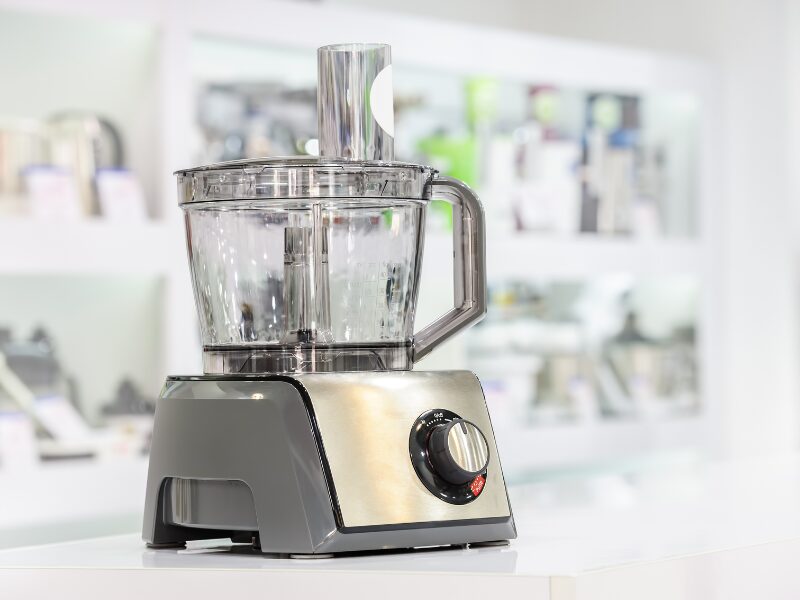
Image Alt Text: food processor
Blenders and food processors are essential in the kitchen, but they’re built for different tasks. If you’re not sure which one you need, you’re not the only one asking. They might seem similar, but they’re designed to handle ingredients in very different ways.
In this guide, we’ll talk about food processors and blenders, how they work, and when to use them. Whether you’re whipping up a smoothie, slicing veggies, or mixing dough, knowing the difference saves time and hassle in the kitchen.
What Is a Food Processor?
A food processor is a useful kitchen tool that handles a bunch of prep work in one machine. It’s great for chopping, slicing, shredding, and even mixing dough. It can also speed things up when you cook often or just want to save time in the kitchen.
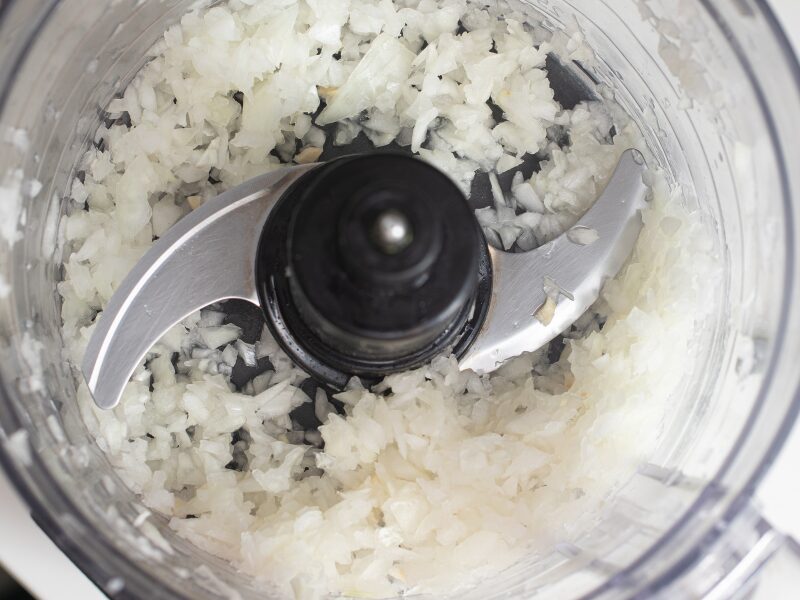
In particular, it has a strong motor and sharp blades that are usually S-shaped. These blades spin inside a wide bowl and can take on everything from salsa and grated cheese to apple pie dough and chunky soups.
Most models come with extra attachments, like discs for slicing or shredding. Some even have different feed tube sizes that fit both big and small ingredients. It gets the job done fast, whether you’re preparing for a family dinner or making food in bulk.
Think of it as your extra set of hands. It deals with the messy stuff so you can focus more on cooking and less on chopping.
What Is a Blender?
A blender is extremely useful if you’re into smoothies, soups, or sauces. It’s built to quickly turn solid ingredients into smooth liquids. With sharp blades and a powerful motor, it can crush ice, blend fruits, and purée vegetables with ease.
In particular, the tall, narrow jar helps pull everything down toward the blades. It then creates a vortex that blends ingredients evenly. Most models also come with a lid that has a removable cap, so you can add liquid as you go to keep things moving smoothly.
Blenders are surprisingly versatile, too. Aside from smoothies and milkshakes, you can use one for hummus, nut butter, dressings, and even pancake batter. Plus, a blender is your go-to if you want something that can whip up creamy soups or power through frozen fruit in seconds. It’s fast, easy to use, and ideal for recipes that need a smooth finish.
How Food Processors Work
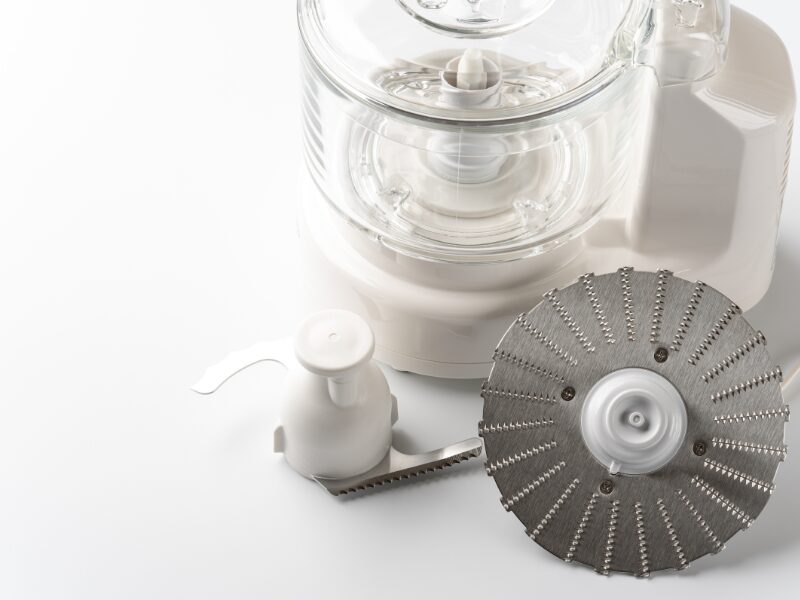
Food processors are built to make chopping, slicing, and mixing way easier. It has an S-shaped blade in the center that spins inside a round work bowl. This blade can chop veggies, puree sauces, and mix things like dough. The bowl sits on a sturdy base that houses the motor. Most bowls are clear, so you can keep an eye on your ingredients as they’re processed.
Food processors come in different sizes. Smaller ones work well for quick tasks like mincing garlic or chopping herbs. On the other hand, larger ones work better for big batches, like prepping dough or slicing loads of vegetables.
The lid usually has a feed tube on top, which lets you add food while the processor is running. Some even have a drizzle hole, so you can slowly add oil or liquids for smooth, creamy blends like hummus or dressing. You can also use the feed tube to push food toward slicing or shredding discs. The tighter the food fits in the tube, the more even your slices will be.
How Blenders Work
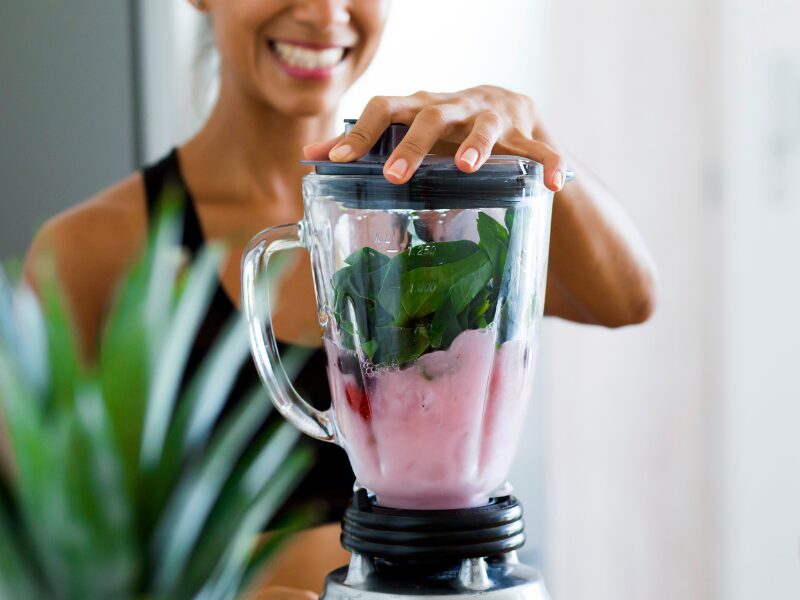
Blenders work by using sharp, upward-angled blades that spin ingredients into a smooth mix. These blades create a whirlpool that pulls food down and blends it evenly. Unlike food processors, blenders work best with some liquid added to keep things moving.
Blender jugs are usually made of tough plastic. However, some high-end brands now offer stainless steel. Glass used to be common but isn’t as popular anymore. Most standard blender lids have a small cap you can remove to add more liquid while blending. This helps prevent jams or thick spots.
Blenders come in different sizes as well. There are small personal blenders and larger models that hold around eight cups. Whether you’re making smoothies, soups, or sauces, the spinning blades and added liquid do most of the work for you.
What are the Differences Between a Food Processor and a Blender?
Not sure whether you need a blender or a food processor? You’re not alone. These two kitchen tools look similar but do different things. Here are the differences between a food processor and a blender:
1. Blade Design
Blenders usually have one fixed blade at the bottom of the jar. This blade has multiple points at different angles. As a result, it’s great for crushing ice, blending liquids, and turning ingredients into a smooth puree.
On the other hand, food processors come with different blades and discs. You can use them to chop, slice, shred, knead dough, or whisk. The blades sit at the bottom for chopping or mixing, while slicing and shredding discs go at the top, just under the feed tube.
2. Shape of the Container
Blenders have tall, narrow jars that let liquids move smoothly through the blades. They usually come with a handle and pouring spout, so it’s easy to transfer soups, smoothies, dressings, spreads, or sauces.
Meanwhile, food processors use wide, flat bowls that give you space to process bigger or bulkier items, like whole potatoes or a bunch of cheese. This shape is also great for handling thick mixes and larger batches.
3. What They’re Best At
Blenders work best for wet recipes like smoothies, soups, sauces, and beverages. They’re designed to blend everything smoothly and quickly.
On the other hand, food processors work better for dry or solid foods. They’re your go-to for chopping veggies, slicing fruit, shredding cheese, mixing dough, or prepping baking ingredients quickly.
4. Size and Capacity
Blender sizes range from small (two-cup personal blenders) to large (14-cup commercial models). Meanwhile, most food processors range from six to 14 cups, with plenty of space for large batches or tougher jobs.
When Should You Use a Food Processor?
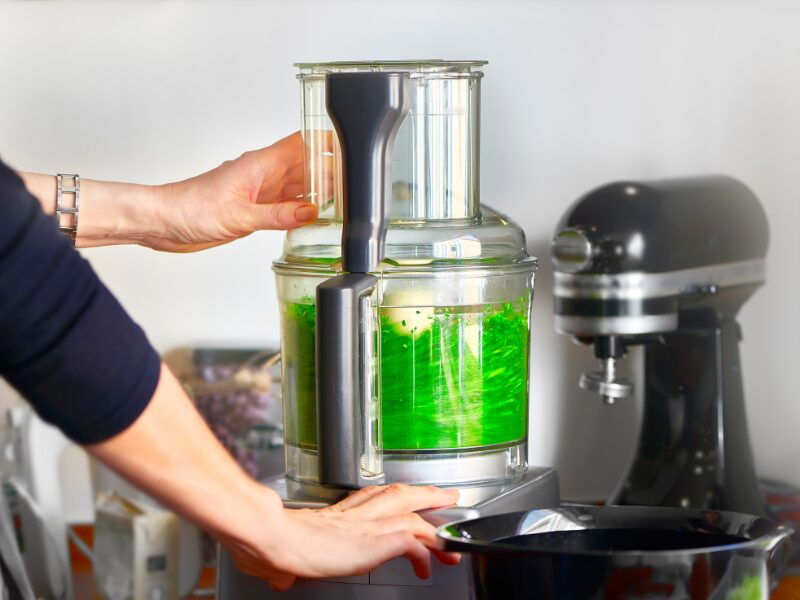
A food processor is the best option when you’re dealing with big or messy cooking tasks. It’ll save you a lot of time if you need to shred a block of cheese, slice a ton of veggies, or grate potatoes. It handles tasks that would normally mean a lot of grating, chopping, or mixing by hand.
What makes a food processor so useful is all the attachments it comes with. Most models include blades for chopping, discs for slicing or grating, and even tools for kneading dough. You can use it instead of a box grater, chef’s knife, or a mortar and pestle if you’re making a big batch of something like mirepoix.
It’s also great for pastry dough because it’s way faster than using a pastry cutter. Just be careful not to overmix, since that can make your crusts or biscuits a little tough.
While it does take up space and has a few parts to clean, a food processor can cut down your prep time. If you cook often or like to make meals in batches, it’s definitely worth investing in.
When Should You Use a Blender?
You can swap in a food processor for a blender sometimes, but it really depends on what you’re making. A food processor is a better choice for thick recipes like pesto, hummus, or nut butter. It doesn’t need much liquid and is built to handle dense, heavy textures.
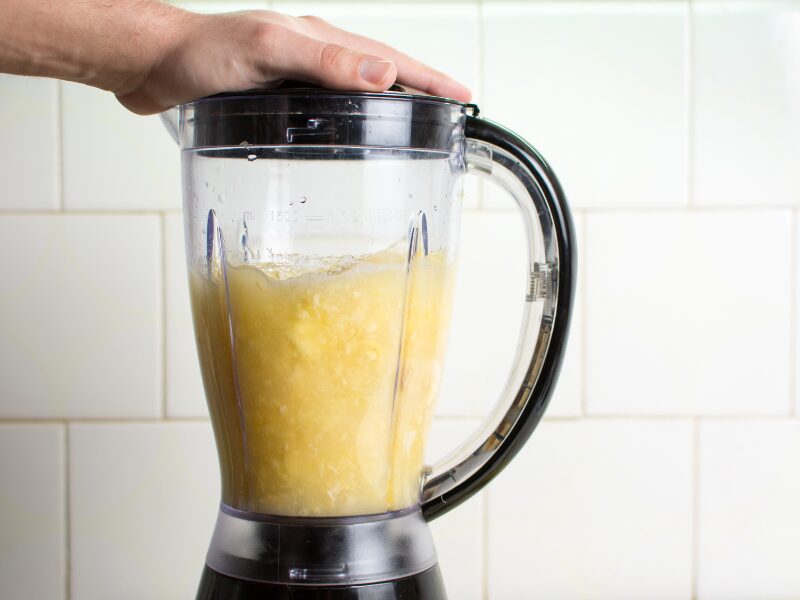
However, a blender is better if you’re working with something more liquid, such as a smoothie or soup. It’s made to keep liquids moving and blend everything into a smooth, drinkable mix. Most blenders also have a spout, which makes pouring hot soups or sauces a lot less messy.
If you’re in a bind, you can swap one for the other, but don’t expect perfect results. A food processor might leave your smoothie chunky, and a blender might have trouble with dry or heavy ingredients like dough.
They do share some functions, but each tool is built for specific tasks. Use a blender for anything pourable, and grab the food processor when you’re chopping, slicing, or mixing thicker stuff. It’ll save you time and give better results.
Can You Use a Food Processor in Place of a Blender and Vice Versa?
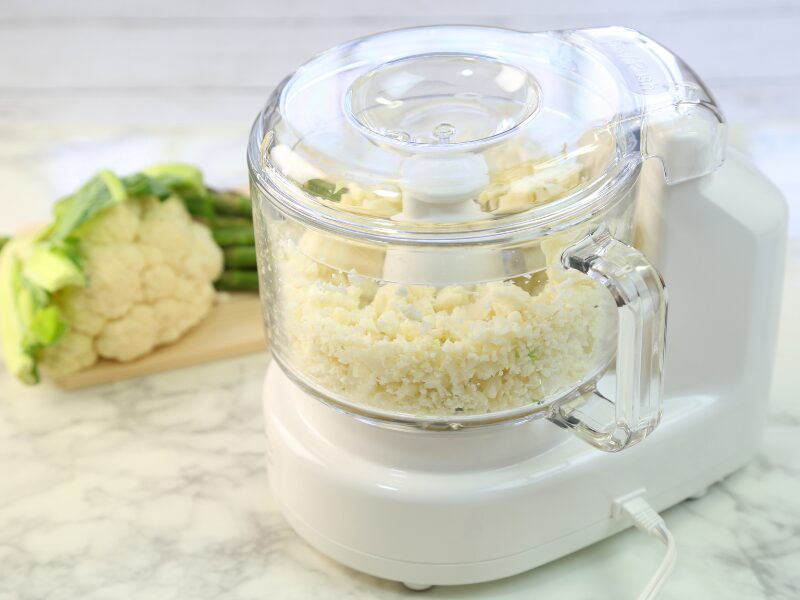
You can swap a food processor for a blender sometimes, and vice versa. But it’s not always the best idea. Each one has its strengths, and using the right tool for the job makes a big difference. Otherwise, you might end up with a mess, like soup leaking out of a food processor or chunky smoothies from a blender.
Both machines can chop, but food processors do it more evenly and gently. They’re better for delicate ingredients like herbs. Plus, they give you more control. When it comes to purees like hummus or nut butter, food processors usually win. They don’t need as much liquid and are easier to scrape clean, so you don’t waste anything.
Blending soup? Stick to a blender. A food processor isn’t leakproof, and hot liquids can easily overflow or spill during transfer. Avoid crushing ice in a food processor as well. It’s tough on the motor and can cause the base to jump.
Food processors can slice and shred thanks to attachments. Most blenders can’t do that unless they’re specially designed for it, which is rare. Both tools can mix dough, but a food processor usually gives more even results. It also offers less mess, better texture, and easier cleanup.
So yes, they can fill in for each other occasionally. But if you want the best results and a smoother cooking experience, it’s smarter to use them for what they’re built to do.
Frequently Asked Questions
A food processor helps with chopping, slicing, shredding, pureeing, and kneading. It takes the hard work out of prepping veggies, making dough, or blending sauces. You can use it to make nut butters, breadcrumbs, or baby food. It’s basically a kitchen shortcut machine.
A food processor is best for grinding, grating, and slicing. It helps you make soups, pestos, salsas, nut butters, pizza dough, and pie crusts. People love food processors because they cut down on prep time and labor, especially for time-consuming tasks like chopping vegetables and kneading dough.
The terms ‘processor’ and ‘processer’ have been a source of some confusion, but ‘processor’ is the correct term when referring to a device or a person that processes something, such as a food processor.
Conclusion
Blenders and food processors each have their place in the kitchen. If you make a lot of soups, smoothies, or sauces, a blender is a better fit. But if you’re chopping, slicing, or working with thicker mixes, go for a food processor. Choose based on what you cook most often because it makes all the difference. Happy cooking!
About HICAPS
Over the years, HICAPS has helped bakers and businesses make delicious products by offering ingredients like ChiffonAide Cake Oil, Magic Whizk Whipping Cream, Red Velvet Flavor Emulco, and Instabake Brownie Mix.
HICAPS also provides tools and resources to valued partners, such as the free “How to Increase Your Sales Amidst the Pandemic” E-book and free dealer locator that helps look for baking ingredients near me.
Want more free tips and tutorials? Follow us on Facebook at Hicaps Mktg. Corp. and on YouTube at HicapsTV. Want to be one of our valued partners? Fill out this form. Looking forward to talking to you soon!