

What Are the Cooking Methods?
If you’ve been asking what are the cooking methods, you’re at the right place.
Becoming a successful chef and home cook requires an understanding and mastery of these cooking methods. These techniques allow you to work with various ingredients, kitchen tools, and equipment to achieve consistent, flavorful dishes like pinakbet, pork menudo, and sinigang na baboy.
Continue reading to learn what are the cooking methods, the techniques that fall under the three types, and the food complemented by these techniques.
Why You Need to Choose the Right Cooking Method
You need to choose the right cooking method because every food requires different methods.
For instance, to break down tough connective tissues in less tender cuts of meat, you have to use moist heat cooking. This will help add moisture to the meat. It’ll also cook the meat slowly over a long time.
On the other hand, more tender cuts of meat don’t require moisture and long, slow cooking, which is cooks usually use dry cooking methods.
What Are the Cooking Methods?
The three known cooking methods include dry heat cooking, moist heat cooking, and combination cooking.
These techniques employ different ways to use heat in cooking. All known methods of cooking, from steaming to grilling to frying, are categorized into these three groups.
Here’s the answer to the popular question, “What are the cooking methods?”:
1. Combination Cooking

This cooking method uses different subtypes of cooking. In this section, we’ll go through the types of combination cooking.
Stewing
The primary difference between stewing and braising lies in the ingredients. Braising requires the ingredients to be completely submerged in the hot liquid. On the other hand, stewing only needs partial submersion.
A stew uses smaller pieces of meat. However, the method of slow cooking at low heat remains the same. Fibrous vegetables break down as the stew cooks and the fat and collagen from the meat render. The gravy becomes thick and flavorful with tender bites of meat and soft vegetables.
Best Food for Stewing:
- Meats: Collagen-rich meat and meat with higher fat ratio are suitable for stewing.
- Vegetables: Vegetables add depth to your stews.
Braising
Braised foods are seared in hot oil. Then, cooks transfer them to a larger pot to cook in hot liquid. In simmering water, broth, or stock in cooking.
At low heat, the food is cooked over an extended period to soften and the intensified flavors are extracted from the liquid reduction. Braising is a highly efficient method for producing fork-tender meats that fall off the bone.
Best Food for Braising:
- Meats: Cheaper, tougher cuts of meat are ideal for braising. This cooking method softens and tenderizes the muscle fibers effectively.
- Vegetables: Braising vegetables is excellent on its own, but complementing braised meat with vegetables adds a different layer of flavor.
- Legumes: For softer but not mushy textures from lentils, chickpeas, and green beans, braising them in broth or wine achieves the best results.
2. Dry Heat Cooking

You can cook food without the use of any liquid, broth, or water through dry cooking methods. These techniques rely on hot air circulation or contact with fat to transfer heat to food and ingredients being cooked.
Cooking methods in this category use temperatures of up to 300 degrees Fahrenheit or more to produce browning. This chemical reaction is a result of the food’s amino acids and natural sugars turning brown, adding a distinct aroma and flavor to the food.
Sauteing
The cooking method involves a small amount of oil or fat in a hot, shallow pan over a burner. The fat or oil helps even out the browning and cooking process. This technique cooks food very quickly, which makes frequent tossing or flipping a crucial skill to learn for this cooking method. The tossing motion of food gave its name from the French word “saute” meaning “jump.”
To achieve the most optimal results with this cooking method, make sure the oiled pan is hot before adding any ingredients. Avoid overcrowding the pan and learn how to add ingredients gradually. Stir, toss, or flip the ingredients frequently.
Best Food for Sauteing:
- Meats: Sauteing involves cooking ingredients quickly, which makes tender meat an ideal choice.
- Poultry: Saute boneless breasts, strips, or cutlets to sear in flavor.
- Vegetables: Saute zucchini, squash, and leafy greens in olive oil, margarine, or butter for a delicious meal.
Roasting
This cooking method involves indirect heat inside an oven, cooking from all sides for an even browning process. It is a slower cooking process, gently extracting the flavors from meats and vegetables.
This cooking method is performed at a wide range of temperatures, from 200 degrees to 350 degrees Fahrenheit ideal for tougher cuts of meat. Even higher temperatures of up to 450 degrees Fahrenheit are required to cook the more tender cuts.
Best Food for Roasting:
- Meats: Large cuts of meat are ideal for roasting for a slow and even cook.
- Poultry: Using turkey or chicken recipes via a roasting pan or rotisserie spit results in a juicier, more flavorful, and heartful meal.
- Fruits and Veggies: Fruits and vegetables achieve different flavors, aromas, and textures through roasting.
Broiling

This cooking method involves transferring extremely high heat onto food. Like upside-down grilling, a broiler delivers radiant heat from above the food, cooking one side at a time. The method introduces the browning process very fast to seal the juices and flavor with a crisp exterior.
Due to the cooking method’s speed, a timer and regular checking of doneness help avoid burning or overcooking the food. Commercial kitchens use broiler ovens and/or salamanders for broiling.
Best Food for Broiling:
- Meats: Thinner cuts of meat, such as steaks, pork chops, or hamburger patties, are best for broiling.
- Poultry: Chicken or turkey cutlets, breast halves, quarters, and legs can achieve more flavors in the broiler oven.
- Fish: High heat can dry out fish easily, so choose thick, sturdy, and fat fish like salmon.
- Fruits and Veggies: Broiling carrots, peppers, zucchini, onions, and squash preserve their vitamins and minerals effectively.
Baking
If roasting cooks meat or vegetables from all sides, baking employs the same principle for bread, cakes, and pastries. While both are technically similar, the key difference is the temperature, which is generally lower in baking.
Best Food for Baking:
- Baked Goods: Wet dough or batter in baking pan become final products with firmer textures through baking. Baking creates bread, pastries, and cakes.
- Pizza: Baking in an oven makes the dough firmer, forms a crust, and melts the cheese toppings.
Grilling
Broiling and grilling use the same principle in cooking food, delivering radiant heat on one side at a time. Grilling equipment and tools have open grates in the direction of the heat source beneath the food. Flipping the food allows it to cook on both sides. The grill marks from this cooking method are pleasing to the feasting eyes.
Best Food for Grilling:
- Burgers: Hamburger meat makes it juicier with the grill marks for added aesthetic.
- Meats: Tender cuts or marinated meat grill extremely well as they can retain moisture and juices better than other meat.
- Poultry: Boneless cuts of chicken allows them to cook evenly.
- Fish: Meat like salmon, tuna, and swordfish can retain moisture well during the grilling process.
3. Moist Heat Cooking
Simmering
One of the gentler cooking methods is simmering. It uses higher temperatures than poaching, ranging from 180 degrees to 205 degrees Fahrenheit. The temperature range is just below boiling to produce tiny bubbles consistently. Boiling the water and lowering the temperature leads to simmering.
Best Food for Simmering:
- Rice: Simmered rice has a light, fluffy texture.
- Meats: Simmering tougher cuts of meat renders their fat and releases collagen, like chuck roast.
- Soups and Stocks: Simmering is excellent in releasing fat and proteins from meat, producing a rich flavorful broth for soups or stews.
- Vegetables: Tough root vegetables, such as potatoes and carrots, achieve the perfect texture when simmered.
- Grains: Simmering other grains like oats, millet, or quinoa results in softer, more digestible textures.
- Legumes: For softer textures, simmering legumes is the way to go.
Steaming
Boiling water continuously until it produces a steady amount of steam during steaming. The surrounding steam cooks the food evenly while retaining the juices and moisture.
Steaming can be performed using different tools and techniques. High-volume or commercial kitchens use commercial steamers or combi ovens for maximum efficiency.
At home, boiling water in a pot with a steamer basket on top achieves the same results. Wrapping food in aluminum foil is crucial for even cooking.
Best Food for Steaming:
- Vegetables: Steaming vegetables is a staple method in keeping their minerals, vitamins, and crunchy textures.
- Fish and Shellfish: Fish and shellfish can be steamed to keep their natural sea flavors. Using wine or broth instead of water adds more flavor.
- Desserts: Aside from baking, some desserts only require steaming to achieve the final product with a silky, moist texture.
Poaching
Another gentle cooking method is poaching, which is perfect for delicate ingredients. It involves submerging the food in hot liquid ranging from 140 degrees to 180 degrees Fahrenheit. The low heat allows the food to retain its moisture and flavors without using fat or oil
Best Food for Poaching:
- Eggs: Poaching an egg is as common as it can get. This technique produces soft, tender egg white with a creamy yolk.
- Poultry: Boneless and skinless chicken breasts can be poached in broth, wine, or aromatics to add an extra layer of flavor.
- Fish: As delicate meat, fish like tilapia, cod, and sole are ideal for poaching.
- Fruit: Poaching fruit like apples or pears in sweetened liquid produces a unique dessert of deepened fruity flavors and softer, tender textures that melt in the mouth.
Boiling

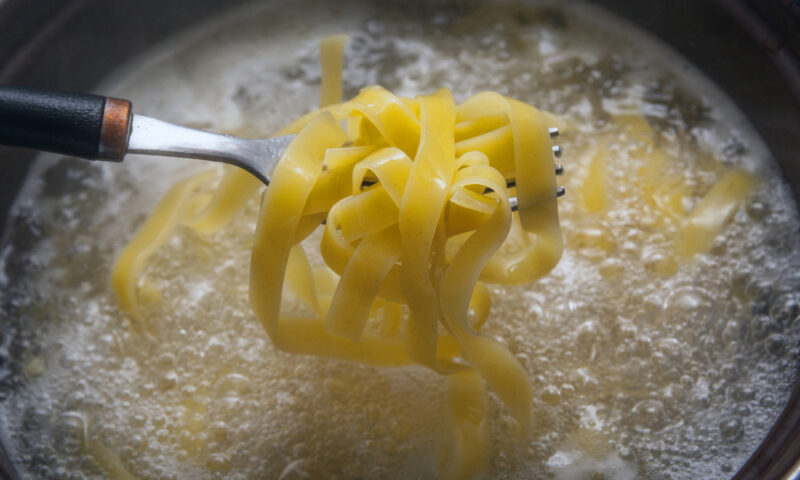
This cooking method involves submerging food in water at its boiling point of 212 degrees Fahrenheit. When the water produces large, fast-moving bubbles continuously, it means the water is boiling. The bubbles keep the food in motion while cooking.
A slow boil means the water has started to produce large bubbles that move slowly. This means that the water is close to boiling. A full boil occurs at the boiling point and produces faster-moving large bubbles while producing a steady amount of steam.
Best Food for Boiling:
- Pasta: Boiling pasta and noodles tenderizes them for consumption.
- Eggs: As a staple for eggs, boiling is customizable to either be hard-boiled or soft-boiled by adjusting the duration.
- Vegetables: Potatoes, carrots, and other tough root vegetables cook quickly when boiled. They tend to overcook, so checking their tenderness regularly is a must.
Frequently Asked Questions
The seven methods of cooking are steaming, blanching, searing, braising, poaching, roasting, and grilling
There are three types of cooking methods. You know them as dry heat cooking, moist heat cooking, and combination cooking. Each relies on the strategic use of heat and fundamental cooking techniques to achieve the most desirable results in food.
Knowing and learning what are the cooking methods that work best for a specific dish is imperative in mastering cooking skills, even as a home cook.
The cooking methods in nutrition include steaming, poaching, simmering, and boiling. They retain minerals and vitamins in food. It is vital to understand what are the cooking methods most suitable for keeping the nutritional value of ingredients.
The easy cooking method to use is boiling. It only requires heating the liquid to its boiling point and adding the ingredients. Regular checking and testing ensure the food is not overcooked.
Conclusion
By learning what are the cooking methods, you can choose the best technique to use for each dish you prepare.
Creating and producing your signature recipes require a comprehensive understanding of the techniques and heating principles involved in food. Knowing what are the cooking methods most suitable for a particular ingredient is just one part of the story.
Putting them to the test? Now that requires experience.
Nobody masters these techniques overnight. But knowing what are the best cooking methods always goes a long way.
So, what are you waiting for? Sanitize you kitchen tools and equipment and start your cooking journey now!
About HICAPS
Over the years, HICAPS has helped bakers and businesses make delicious products by offering ingredients like ChiffonAide Cake Oil, Magic Whizk Whipping Cream, Red Velvet Flavor Emulco, and Instabake Brownie Mix.
HICAPS also provides tools and resources to valued partners such as the free “How to Increase Your Sales Amidst the Pandemic” E-book and free dealer locator that helps look for baking ingredients near me.
Want more free tips and tutorials? Follow us on Facebook at Hicaps Mktg. Corp. and on YouTube at HicapsTV.
Want to be one of our valued partners? Fill this form out. Looking forward to talking to you soon!


