

25 Bread Making Tools Bakers Can’t Live Without
Whether you’re new to bread-making or you want to level up, these tools help you bake better bread. Some might be an investment, but hobbies are about joy, not penny-pinching, right? In this guide, we’ll go over the top bread making tools every baker can’t live without.
Bread Making Tools
- Oven
- Stand Mixer
- Digital Thermometer
- Bread Knife
- Weighing Scale
- Bread Pan
- Loaf Pan
- Rolling Pin
- Bench Knife
- Dough Proofer
- Mixing Bowl
- Flour Sifter
- Grain Mill
- Bread Scoring Knife
- Bowl Covers
- Bulk Tub
- Spatula
- Dough Whisk
- Bread Box
- Couche Cloth
- Starter Jars
- Baking Mat
- Measuring Spoons
- Measuring Cups
- Bread Stencils
Sure, you can take the easy route and use a bread machine. But there’s more joy in making bread from scratch. Plus, this list is for those who prefer an old-school, hands-on bread-making experience. No matter how you bake it, the journey to bread is always worth it.
1. Oven

This might seem obvious, but we’ll list it anyway. An oven is the most crucial tool in bread making. It provides the heat that turns the dough into delicious bread. A hot oven creates steam, which gives the bread a crisp crust.
Always preheat your oven and be careful of hot spots because they can cause uneven baking. A well-calibrated oven is also key to getting the texture and color you want. If you’re using a convection oven, slightly reduce the temperature to avoid over-baking.
2. Stand Mixer

A stand mixer is a lifesaver in bread making. It does the hard work of kneading, which helps develop the gluten in the dough. The dough hook attachment is perfect for heavy dough, while the paddle attachment works great for mixing. Using a stand mixer also saves time and energy, especially when you’re making larger batches. In addition, it produes even, consistent results and produces to focus on other aspects of baking. Just keep an eye on your dough’s consistency and adjust the speed as needed.
3. Digital Thermometer

A digital thermometer makes sure you get the perfect bread every time. It’s ideal for checking your dough’s internal temperature or the temperature of water when activating yeast. In addition, a digital thermometer takes the guesswork out of baking to avoid under or overcooked bread.
4. Bread Knife

A good bread knife slices through crusty loaves without squashing the soft interior. Its serrated edge allows it to cut through tough exteriors with ease. Use a gentle sawing motion instead of pressing down on the loaf. In addition, avoid using a dull knife because it will tear or crush the bread. Bread knives come in different sizes, but a nine-inch serrated knife is a good all-around choice for most loaves.
5. Weighing Scale

A weighing scale is a bread maker’s best friend. Bread recipes often rely on precise measurements. Using a scale ensures you get the right amounts. It’s also useful for measuring flour for baking since cups of flour can vary in weight.
Place your bowl on the scale, zero it out, and add your ingredients. Doing this guarantees your recipe is spot on. A scale also guarantees consistency, so you’re less likely to make mistakes with your bread. This leads to more reliable results.
6. Bread Pan

A bread pan helps shape your loaf and gives it structure while baking. It’s typically used for softer loaves, like sandwich bread or quick bread. This type of baking pan also holds the dough in a defined shape, which is crucial for even baking.
Most bread pans are made of metal or glass, which ensure the bread rises upwards instead of spreading out. Don’t forget to grease the pan before adding dough to prevent sticking. Then, let the bread cool for a few minutes before removing it from the pan.
7. Loaf Pan

A loaf pan is a must-have for baking traditional loaf bread. This pan keeps the dough contained while it rises, so your loaf breads evenly. It’s perfect for softer, denser bread like sandwich loaves or banana bread. The rectangular shape helps the bread bake uniformly and prevents it from spreading out too much. Grease the pan lightly or line it with baking paper for easy removal. If you want a golden-brown crust, bake your loaf uncovered and check the temperature to avoid overbaking.
8. Rolling Pin

A rolling pin is a simple but essential tool for rolling out dough. It helps flatten the dough to the desired thickness before shaping. Whether you’re making ham and cheese rolls, pizza, or pastries, a rolling pin makes sure you get the right thickness.
Dust it lightly with flour or use a silicone rolling pin for a s,tick-free experience. Be gentle when using it, as pressing too hard can make the dough tough. A rolling pin also speeds up the process of preparing dough.
9. Bench Knife

A bench knife is a versatile tool for cutting and scraping dough. It’s divides dough into portions or lifts it off the counter without losing its shape. It’s also great for cutting dough into uniform pieces for rolls or baguettes. The flat, straight edge makes it easy to work with. It also helps keep your workspace clean. Plus, you can use it to cut butter into flour when making pastries.
10. Dough Proofer

A dough proofer is a controlled container that helps dough rise. It provides the ideal temperature and humidity for yeast activation, so your dough rises properly. Most doughs prefer temperatures around 75°F to 80°F, and a proofer maintains that perfect environment. It’s also perfect for cold kitchens. Plus, you can use it for slow fermentation or sourdough starters. Set the temperature, add your dough, and let the proofer do the work.
11. Mixing Bowls
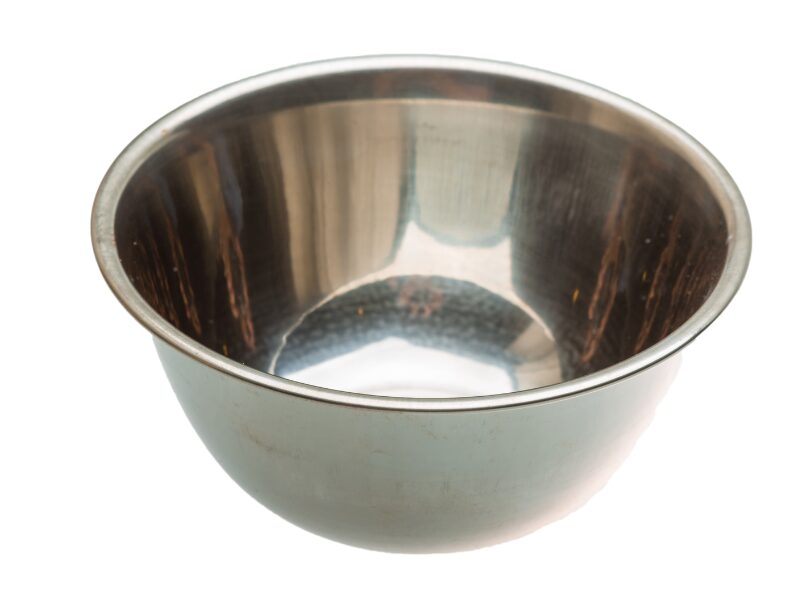
Mixing bowls are used to combine your baking ingredients. For instance, some mixtures can be sticky, so you’ll need a bowl large enough for mixing without spilling. Stainless steel or glass bowls work well because they don’t react with acidic ingredients. Plus, they’re easy to clean.
You can also use such bowls to mix dry and wet ingredients. Look for a bowl that’s wide and deep enough for your batch size. It’s an everyday tool that makes your dough prep easier and cleaner.
12. Flour Sifter
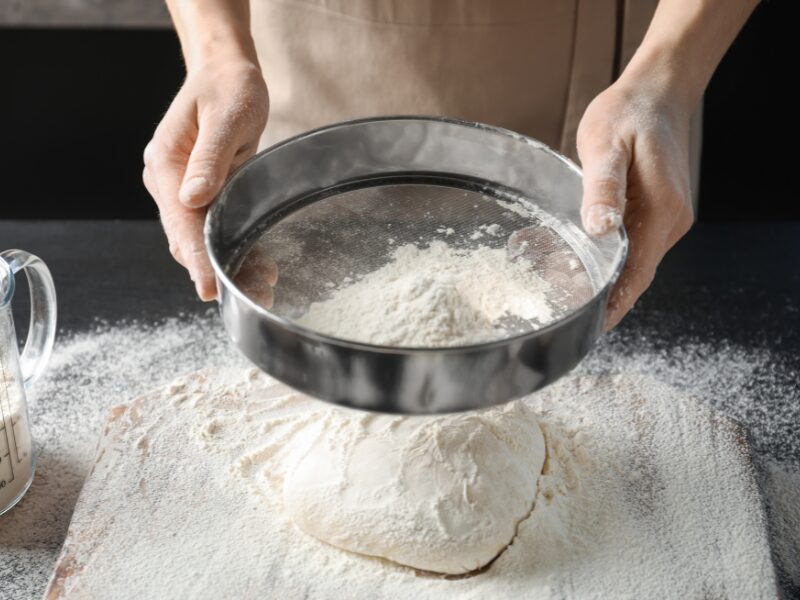
A flour sifter helps break up clumps in your flour. It also produces an even texture for your dough. It also works on whole grain or unbleached flour, which usually have clumps. By aerating the flour, the sifter makes the flour light and easy to mix. Simply place it over your mixing bowl and sift. Doing this also helps prevent the over-measurement of flour, leading to more accurate results. Lastly, you’ll get a dough that’s smoother and easier to knead.
13. Grain Mill
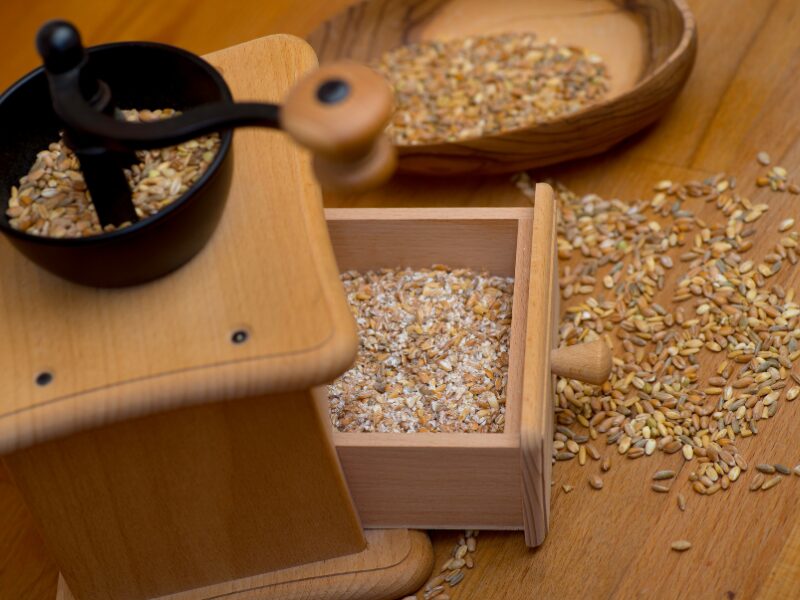
A grain mill lets you grind your own flour from whole grains. If you’re into whole-grain baking, this is a fantastic tool to have. Freshly milled flour contains more nutrients and flavor. Simply add your grain into the mill, and it grinds it into flour. You can also adjust the coarseness depending on your recipe. It’s perfect for experimenting with different types of flour and adds a homemade touch to your bread.
14. Bread Scoring Knife
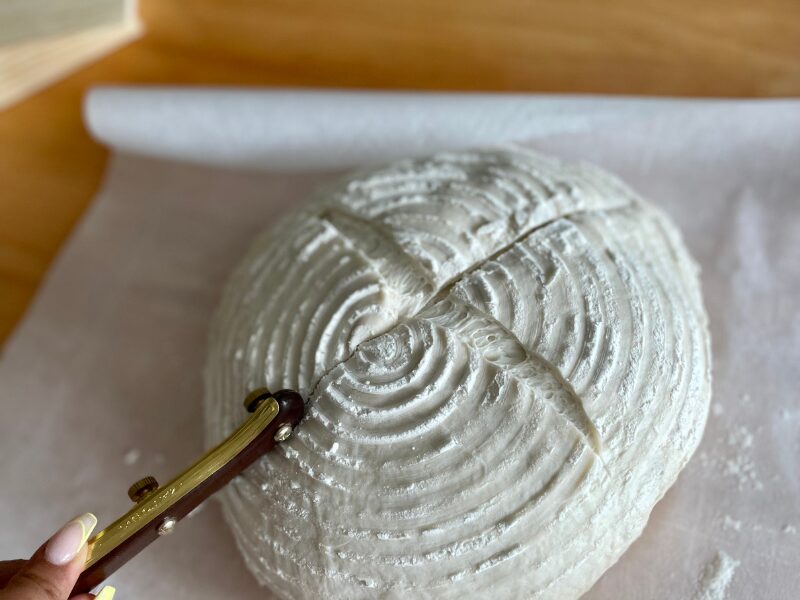
A bread scoring knife scores dough before baking. Scoring allows the dough to expand properly. It also creates a beautiful, decorative finish on your loaf.
Use it to make shallow slashes on the dough’s surface just before it goes into the oven. A sharp blade creates a clean line and prevents the dough from tearing. You can also make simple cuts or intricate patterns depending on your design.
15. Bowl Covers
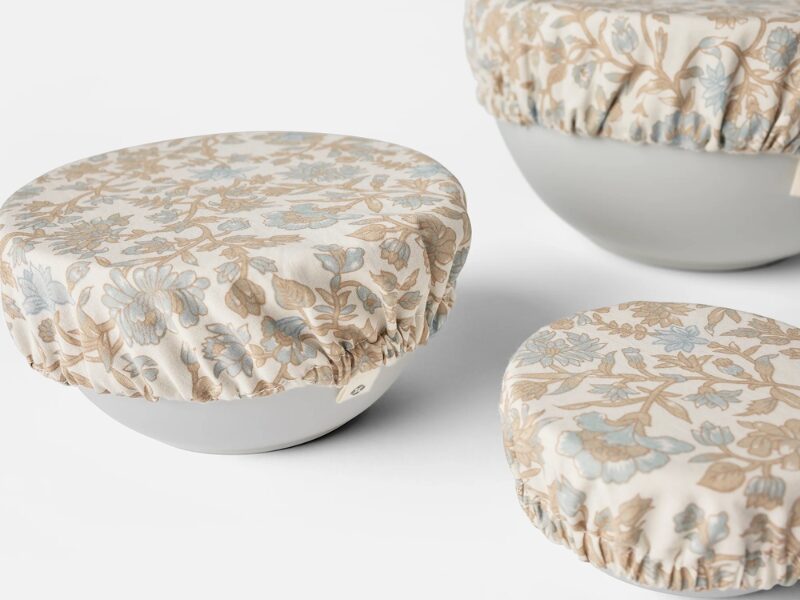
As the term suggests, these tools cover dough while it rises. They prevent your dough from drying out or forming a skin while fermenting. They’re also a good alternative to dough proofers when you’re on a tight budget.
Most bowl covers are made from reusable fabric or plastic, which are easy to clean. Use them to cover your dough during bulk fermentation or proofing. A good cover keeps the dough warm and protected. It’s also more eco-friendly because you don’t have to use disposable ones.
16. Bulk Tub
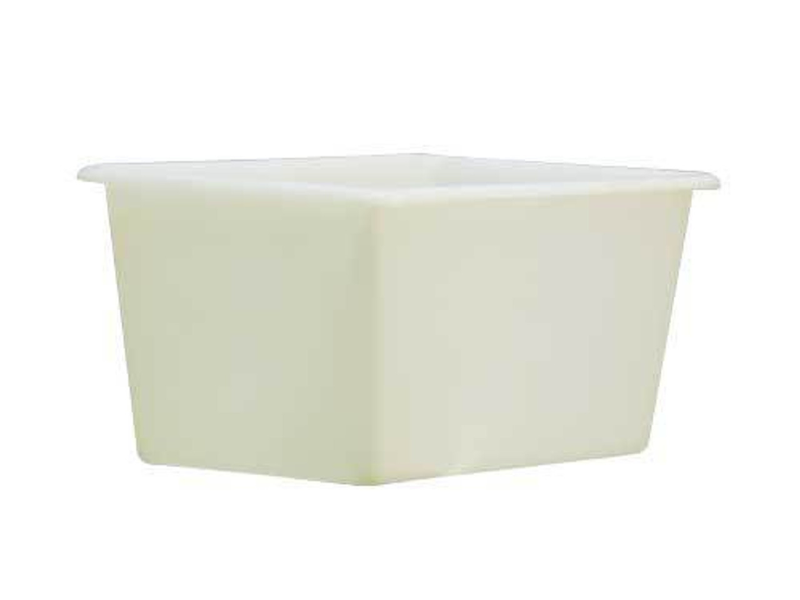
A bulk tub stores large amounts of dough during fermentation. It’s great for making big batches of bread or prepping dough for the next day. These tubs are large and deep, making it easier for you to handle dough without spilling. You can store multiple batches of dough in one tub. Just make sure the tub has a lid or cover to prevent the dough from drying out.
17. Spatula

A silicone spatula scrapes dough from bowls and other tools. Its flexible design makes it ideal for working with sticky dough because it gets every last bit out of the bowl. You can also use it to fold ingredients into your dough and make sure everything’s evenly incorporated. In addition, a silicone spatula works well for most bread-making tasks because it won’t scratch your bowls or pans. It might be a small baking tool, but it helps streamline the process and makes cleaning up easier.
18. Dough Whisk
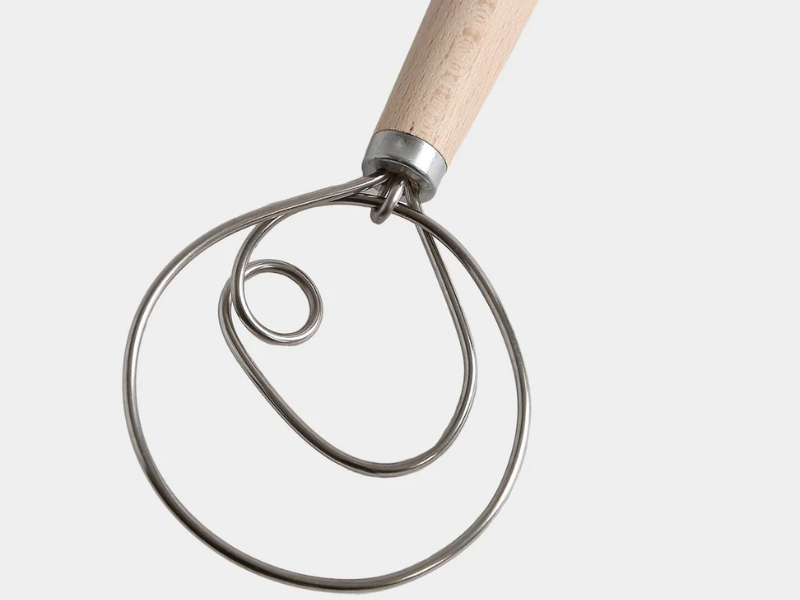
A dough whisk mixes sticky doughs without overworking them. The unique design allows you to mix ingredients quickly without turning the dough into a sticky mess. It’s especially helpful for rustic, no-knead bread recipes or stiff doughs. Use it to combine flour and liquids evenly. Avoid using your hands too much, which can make the dough too tough. You can also use it for lighter doughs.
19. Bread Box
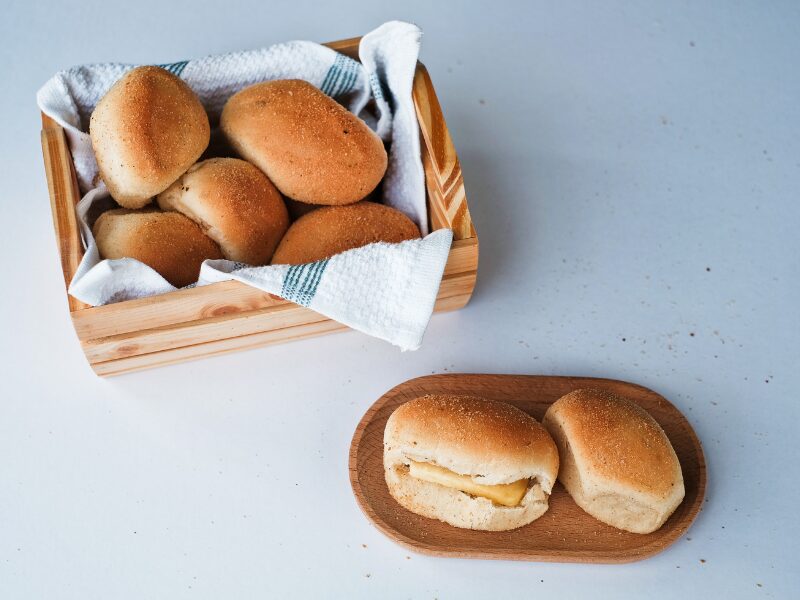
A bread box keeps your bread fresh. It provides a cool, dry environment that prevents the bread from becoming stale too quickly. Unlike plastic bags, bread boxes allow for airflow, which helps maintain the crust’s crispness. Look for a box with ventilation holes for proper air circulation. It’s perfect for keeping your bread fresh for several days. It’s also more eco-friendly than disposable plastic bags.
20. Couche Cloth
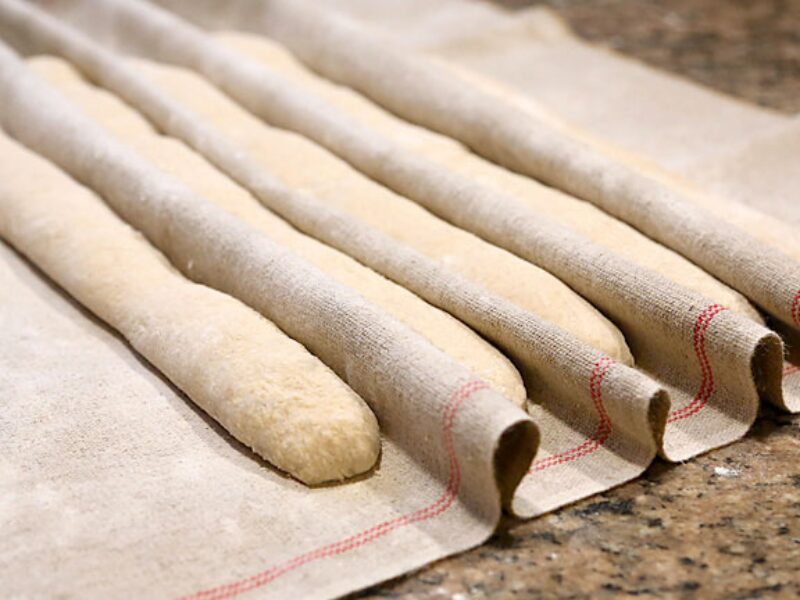
A couche cloth supports your dough while it rises. It’s also an important tool for artisan-style bread making. The cloth helps hold the dough’s shape, preventing it from spreading out too much. It also absorbs excess moisture, which creates a crisp crust and gives the bread a nice texture. Simply lay the dough on the cloth, fold the cloth over, and let it rise. The linen fabric helps keep the dough from sticking.
21. Starter Jars
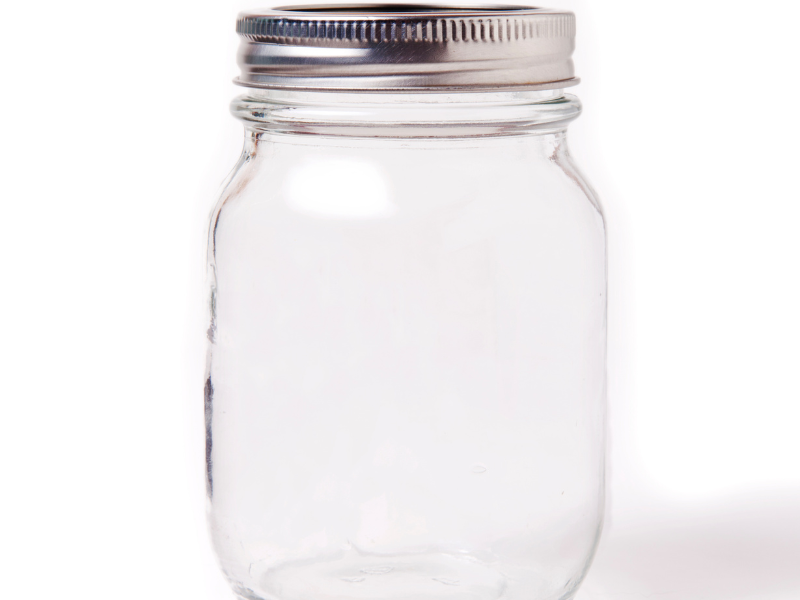
Starter jars store your sourdough starter, which is a must for sourdough bread. These jars help you track the growth of your starter as you feed it regularly. Most starter jars come with marks, so you can see how much the starter has expanded. A clear jar also lets you see the bubbles and changes. These let you know when your starter is ready to use. Keep it in a warm spot and consistently feed it for the best results.
22. Baking Mat
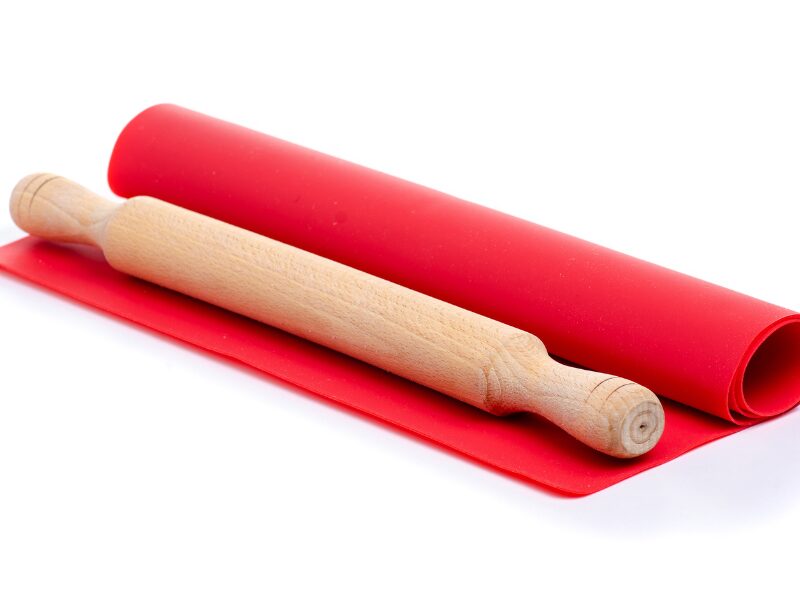
A baking mat lets you roll out dough. It prevents dough from sticking to your countertop or baking sheets. Most mats are made of silicone and are reusable, making them eco-friendly and cost-effective. You can also roll dough directly on the mat without adding extra flour, which makes cleanup easier. In addition, a baking mat helps distribute heat more evenly so your bread bakes uniformly.
23. Measuring Spoons
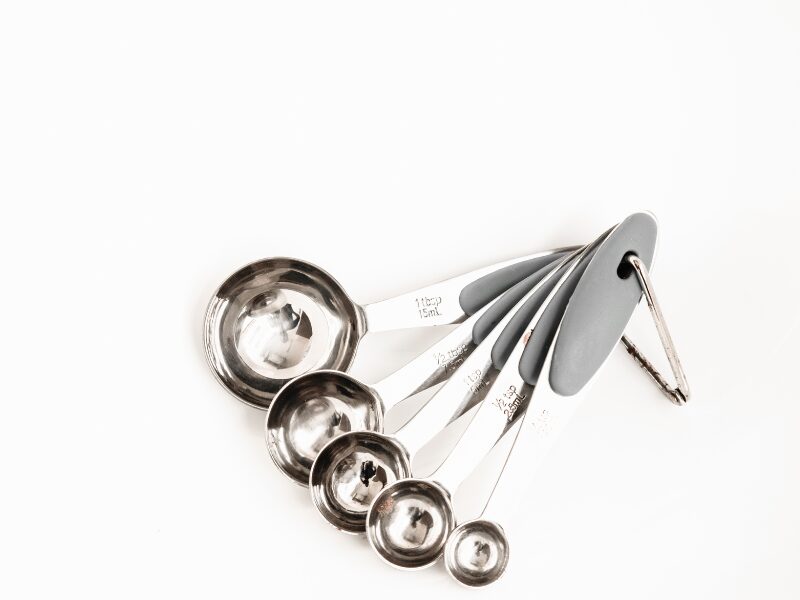
Measuring spoons let you add small ingredients like yeast, salt, or sugar in baking. Accurate measurements help your dough rise properly, which makes your bread taste great. A good set of measuring spoons has clear markings for teaspoons, tablespoons, and fractions. For the best results, level off the spoons after measuring dry ingredients to avoid using too much. They’re also handy for adding herbs, spices, and food color to your bread.
24. Measuring Cups
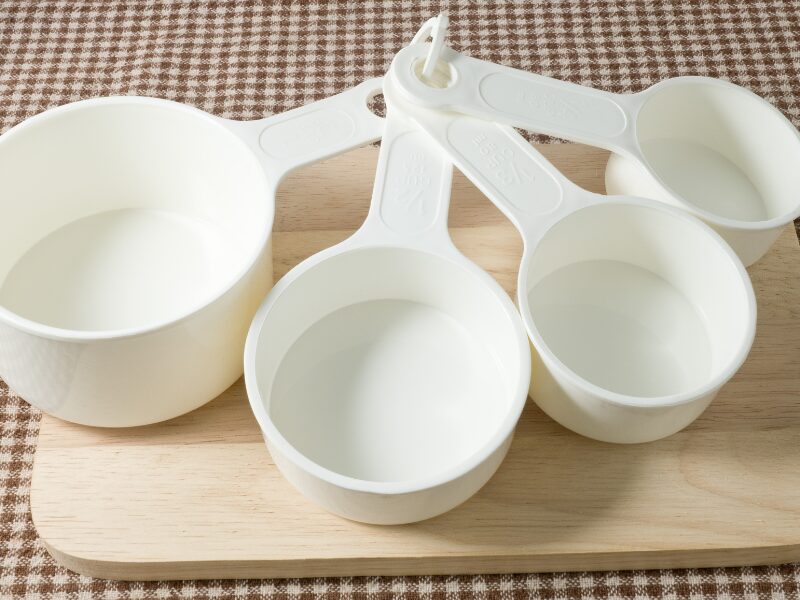
Measuring cups are used for larger quantities of flour, liquids, and other ingredients. Always level off your ingredients for accuracy. Liquid measuring cups often have a spout, which is helpful when working with wet ingredients. Having a reliable set of measuring cups ensures you use the right proportions for consistent results.
25. Bread Stencils
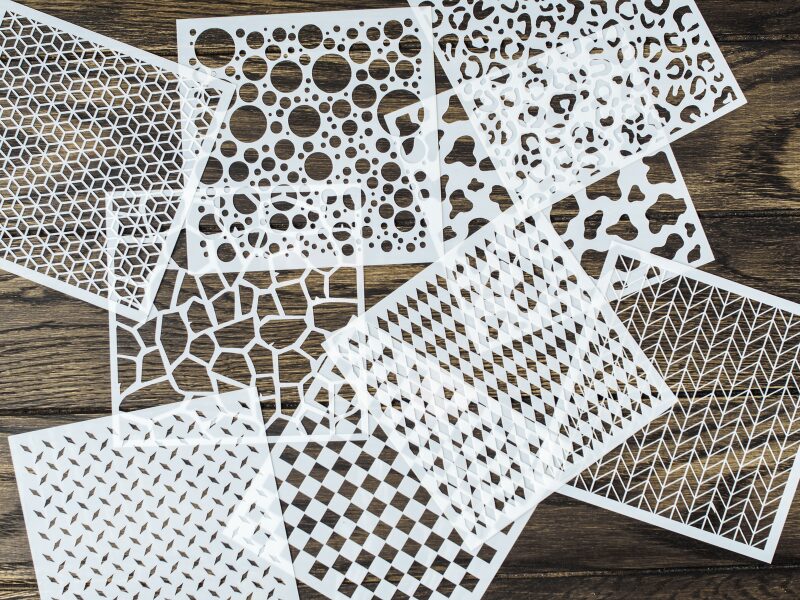
Bread stencils are used to decorate the top of your dough. They let you create beautiful patterns on your bread. Simply place the stencil over your dough and sift flour or cocoa powder over it. This will produce a loaf with a nice design that’s sure to impress. They’re especially popular for artisan loaves like sourdough or baguettes.
Frequently Asked Questions
The tools needed to make bread are a digital thermometer, bread knife, weighing scale, rolling pin, bench knife, bread scoring knife, spatula, dough whisk, flour sifter, measuring spoons, and measuring cups.
The equipment used in bread making is an oven and a stand mixer.
The accessories you need to make bread are a digital thermometer, bread knife, weighing scale, bread pan, loaf pan, rolling pin, bench knife, dough proofer, mixing bowl, flour sifter, grain mill, bread scoring knife, bowl covers, bulk tub, spatula, dough whisk, bread box, couche cloth, starter jars, baking mat, measuring spoons, measuring cups, and bread stencils.
Conclusion
Baking bread is all about enjoying the process and the results. The right tools make it easier, more fun, and consistent. Whether you’re a newbie or a seasoned baker, these essentials will up your game. So grab your gear and get kneading. Happy bread making!
About HICAPS
Over the years, HICAPS has helped bakers and businesses make delicious products by offering ingredients like ChiffonAide Cake Oil, Magic Whizk Whipping Cream, Red Velvet Flavor Emulco, and Instabake Brownie Mix.
HICAPS also provides tools and resources to valued partners, such as the free “How to Increase Your Sales Amidst the Pandemic” E-book and free dealer locator that helps look for baking ingredients near me.
Want more free tips and tutorials? Follow us on Facebook at Hicaps Mktg. Corp. and on YouTube at HicapsTV. Want to be one of our valued partners? Fill out this form. Looking forward to talking to you soon!


